Kozenji Temple, the family temple of Mogami Yoshiaki, who built the largest territory of the Mogami clan, with 570,000 koku of land in Dewa (Yamagata Prefecture)

Kozenji Temple, the family temple of Mogami Yoshiaki, who built the largest territory as a Sengoku daimyo in Dewa Province (present-day Yamagata Prefecture) from the Sengoku period to the Edo period, is located in Teppo-cho, in the center of Yamagata City
Who is Mogami Yoshiaki?
Mogami Yoshiaki was the 11th head of the Mogami clan, a daimyo family of Dewa Province during the Sengoku period , and the first head of the Dewa Yamagata Domain .

He came of age in 1560 at the age of 15. In the same year, he fought his first battle against the Sagae clan , and thereafter repeatedly fought against a coalition of powerful local lords known as the Mogami Eight Shields , including the Tendo, Nobusawa, and Obanazawa clans, eventually pacifying Dewa Province.
After that, they fought over the Shonai region, which is now part of Yamagata Prefecture along the Sea of Japan coast, and clashed with the Daiboji clan and the Uesugi family of Echigo
Then, during the Battle of Sekigahara, the Uesugi army led by Naoe Kanetsugu attacked the Mogami territory , resulting in what is commonly known as the "Keicho Dewa Campaign ." They successfully repelled the attack, and in recognition of this achievement, they were granted the Shonai region. Their territory encompassed all of present-day Yamagata Prefecture except for Okitama District, and part of Akita Prefecture, making them the first lords of the Dewa Yamagata Domain with a 570,000 koku stipend
Incidentally, Yoshihime (later known as Hoshun-in) , the younger sister of Mogami Yoshiaki, was the mother of Date Masamune .
Kozenji Temple is located in Teppomachi, the center of Yamagata City
Kōzenji Templeis a Sōtō Zen Buddhist temple located in Teppōmachi, Yamagata City, and its mountain name isTenryūzan.
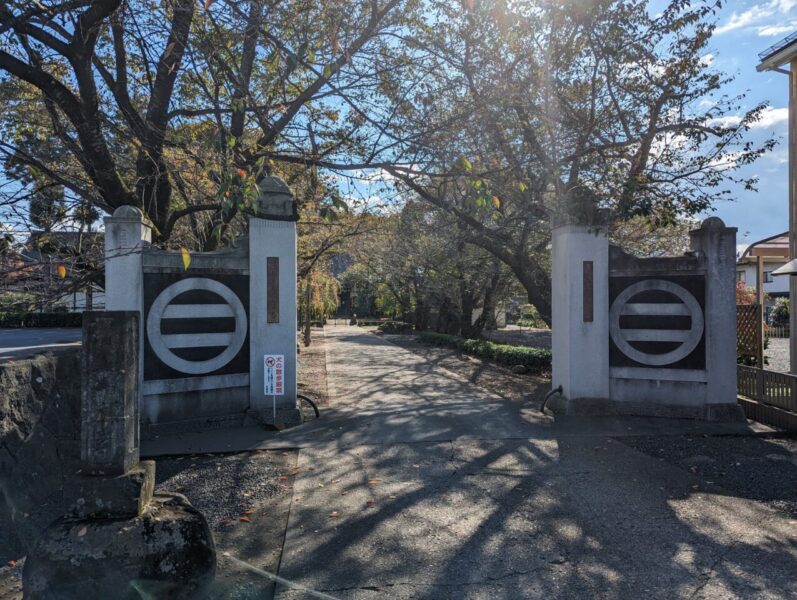
Originally named Keicho-ji, it was renamed Kozen-ji by Mogami Iechika, the second son of Yoshimitsu and the second lord of the Yamagata domain
This temple was founded by Yoshiaki Mogami himself, who invited a man named Shunrin Zentō from Kōgawa-ji Temple, which was located in what is now Ōishida Town, Yamagata Prefecture, to establish it as his family temple
Originally located in what is now Nanokamachi, Yamagata City, the Mogami family was dispossessed of their domain due to an internal dispute over succession (the Mogami Rebellion) that occurred after the deaths of Yoshimitsu and Iechika. It was then moved to its current location by Torii Tadamasa, who was transferred from the Iwaki-Taira Domain as their successor
At the time of the relocation, 500 to 600 ronin from the former Mogami family gathered together and carried the remains of Yoshimitsu and those who had died with their families to the current Kozenji Temple, and the temple has since been protected by former retainers to the present day
A temple dedicated to the Bodhisattva Memyo, the ancestor of the San
As you proceed along the approach to the shrine, the first thing you see isthe Bodhisattva Ashvaghosha. I thought it was a roadside deity, but the character at the beginning is different... I can't read it. After researching, I found that it's written with the character for "god" above the character for "insect," and it seems to be pronounced "san."
The Bodhisattva Ashvaghosha (馬明) is a bodhisattva originating from Chinese folk beliefs, andthe god of sericulture and weaving. Judging from the characters, the "insect" in "god" might refer to a silkworm. This is just speculation, though...

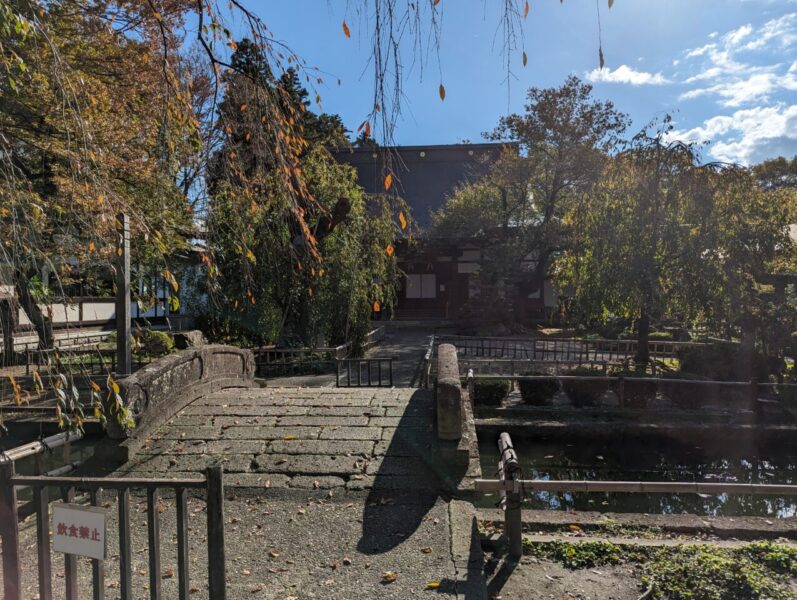
If you go further, you will come across a magnificent stone bridge in the temple grounds
The 23rd sacred site of the 108 Jizo statues in Yamagata
Just to the left after crossing the stone bridge is the Enmei Jizo hall , which is the 23rd sacred site of the Yamagata 108 Jizo pilgrimage
It is one of the sacred sites of Jizo Bodhisattva pilgrimage in the inland areas of Yamagata Prefecture, including Yamagata, Murayama, Tendo, Sagae, Mogami, Obanazawa, Higashine, and Shinjo, as well as the Mogami and Murayama regions

On the right side of the bridge you can see a magnificent bell tower
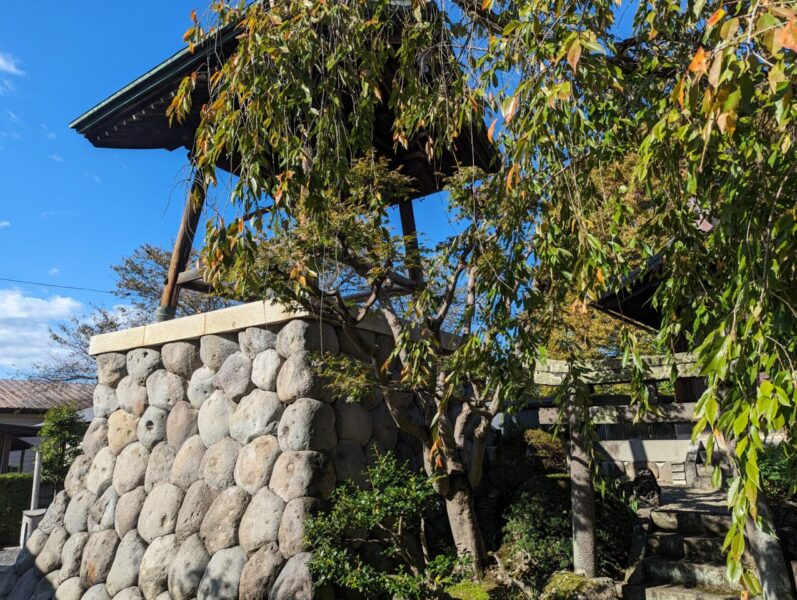
Kozenji Temple Main Hall
The front of the main hall. There are no flashy decorations, and it gives a solemn impression

However, there was a magnificent dragon sculpture on the front

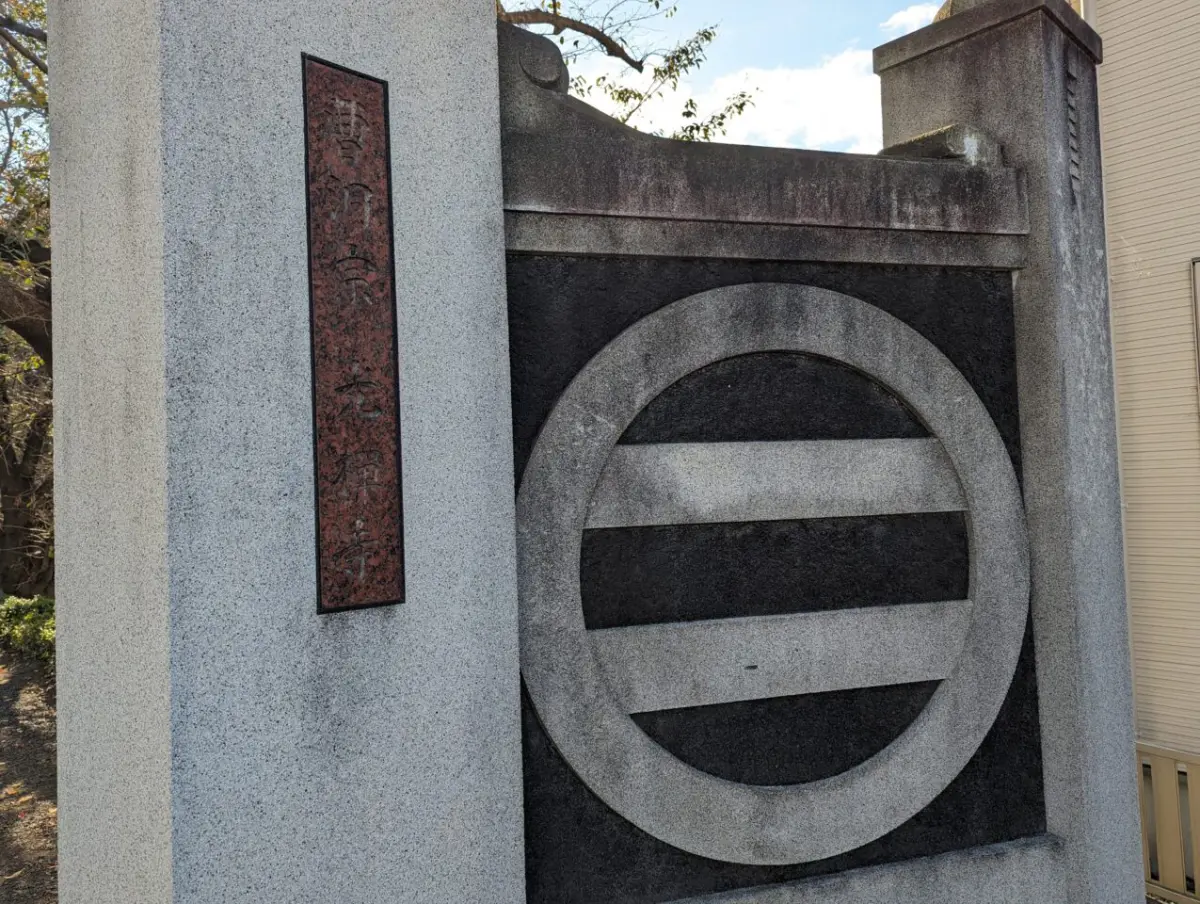
For some reason, the Mogami family crest is tilted at a 90-degree angle at the bottom of the pillars supporting both sides. I wonder if there is some significance to this

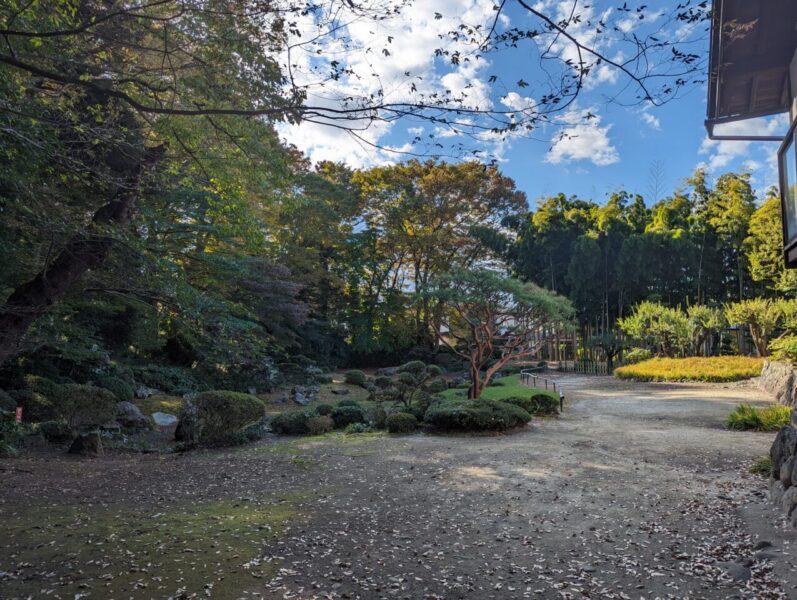
Kozenji Temple Garden
If you proceed to the back from the left side of the main hall, you will see the entrance to the "Kozenji Garden"

, said to have been created in the early Edo periodthe Enshu styleand covers an area ofapproximately 900 tsubo (about 3,000 square meters). It is designated as a scenic spot by Yamagata City.
The exact year the garden was created and who created it are unknown, but it is said to be one of the oldest gardens in Yamagata Prefecture
Mogami Yoshiaki's grave
If you continue further from the Kōzenji Temple garden, you will see the tomb of Lord Mogami Yoshiaki
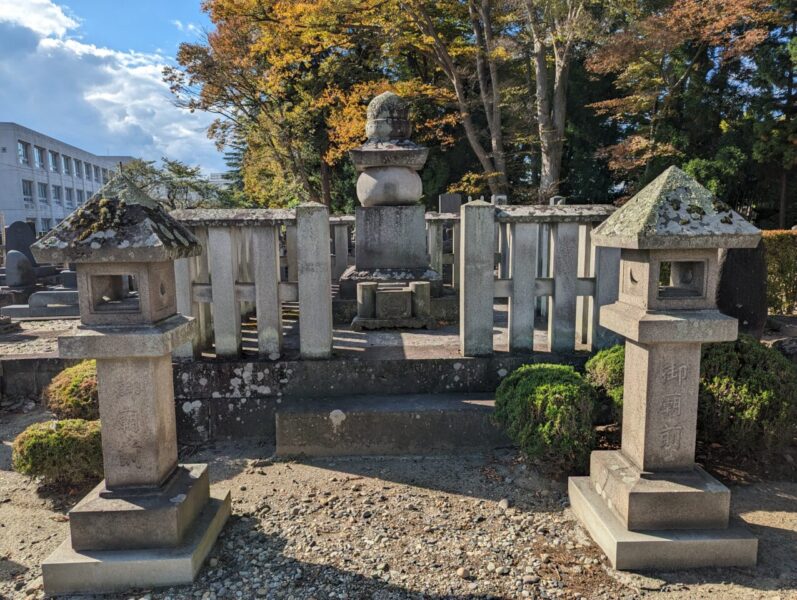
Besides Lord Yoshimitsu's grave, this site also contains the graves of Lord Iechika , the 12th head of the Mogami family , and Lord Yoshitoshi, the 13th head . There are also the graves of four retainers— Sagae Hizen- no-kami , Sagae Jubei , Nagaoka Tajima-no-kami , and Yamaga Kawachi-no-kami—who committed suicide to follow Lord Yoshimitsu in death .家親公義俊公

summary
Thanks to the skills of the Sengoku daimyo Mogami Yoshiaki, the Yamagata domain grew into one of the largest domains in the Edo shogunate, with a 570,000 koku (unit of rice production) yield. However, just nine years after Yoshiaki's death , a succession dispute involving his retainers, known as the Mogami Rebellion, resulted in the confiscation of all of their territory.
It truly seems like a story of rise and fall, but the fact that it was such a powerful city can be seen from Yamagata Castle, which was also known as the Kasumi Castle


If you visit the Yamagata Castle ruins or the Mogami Yoshiaki History Museum, be sure to also visit Kozenji Temple
Information
- Name: Kozenji Temple
- Address: 2-5-7 Teppomachi, Yamagata City, Yamagata Prefecture, 990-2492
- Phone number: 023-622-7796
- URL:Mogami Yoshiaki Historical Museum
Google Map

Traveling around the Tohoku region, I enjoy drinking delicious sake and exploring the local history, traditions, and customs. I write articles based on my interests. I'm currently interested in folk performing arts, local toys, and folk beliefs
Please support NEFT's article creation!
NEFT gathers and publishes articles about the history, culture, and tourism information of various regions in Tohoku
If you enjoyed this article, we would be grateful if you would consider supporting our future interviews, article creation, and website management
*Clicking "Tip" will open the tip sending screen for the external service "codoc"
Other articles

Information on the 2025 edition of the "Tohoku Six Major Festivals" that will brighten up the Tohoku summer!

[Akita Prefecture] What is Kashima-sama? A doll-shaped Jizo statue in Akita Prefecture...

A new Morioka specialty! The Kitakami River boat ride experience attraction "Mori...

Akita City Port Tower Selion

[Miyagi] Children's fun outlet mall "Nishikigaoka Hill...

[Fukushima Prefecture] Choose from hidden hot springs, famous hot springs, and unique spring qualities in Fukushima Prefecture...

Enjoy a cheap drink and snack at Sendai Station! Standing bars and casual drinking spots...

[Aomori Prefecture] Aomori Nebuta Festival 2022 will be held for the first time in three years!.

The Arahaba area around "Jusan-minato," the former base of the Abe clan of Oshu...

[Aomori Prefecture] A station immersed in the world of artist GOMA [ART S...

Boasting Ekiben from the 6 Tohoku Prefectures! Top 5 Recommended Ekiben in Fukushima Prefecture...