

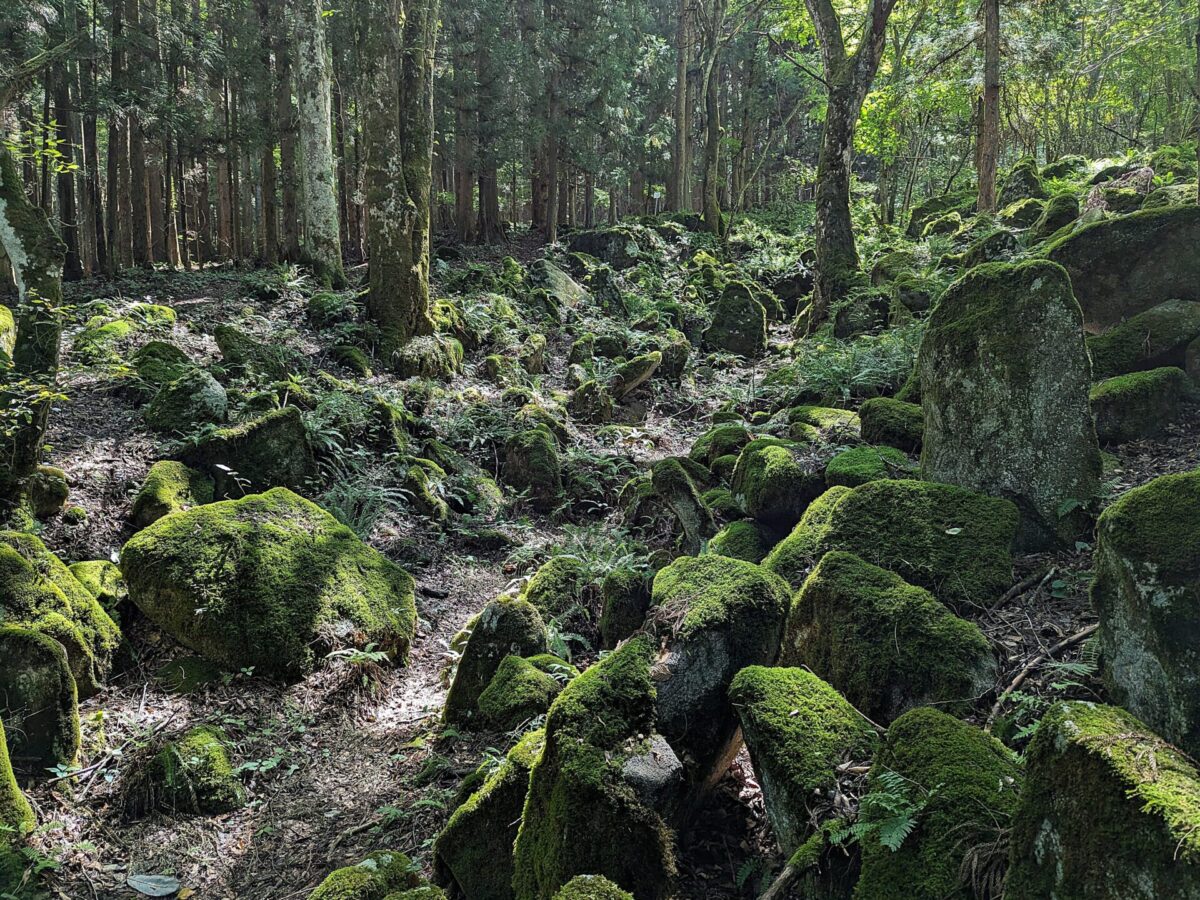
What are the Five Hundred Arhats of Tono? These stone Buddha statues in Tono were created as a memorial for the victims of the Hōreki famine. [Tono City, Iwate Prefecture]

Located in the mountainous area of Ayaori-cho, Tono City, Iwate Prefecture,"Gohyaku Rakan" (Five Hundred Arhats)is a group of stone Buddha statues erected in the late Edo period.
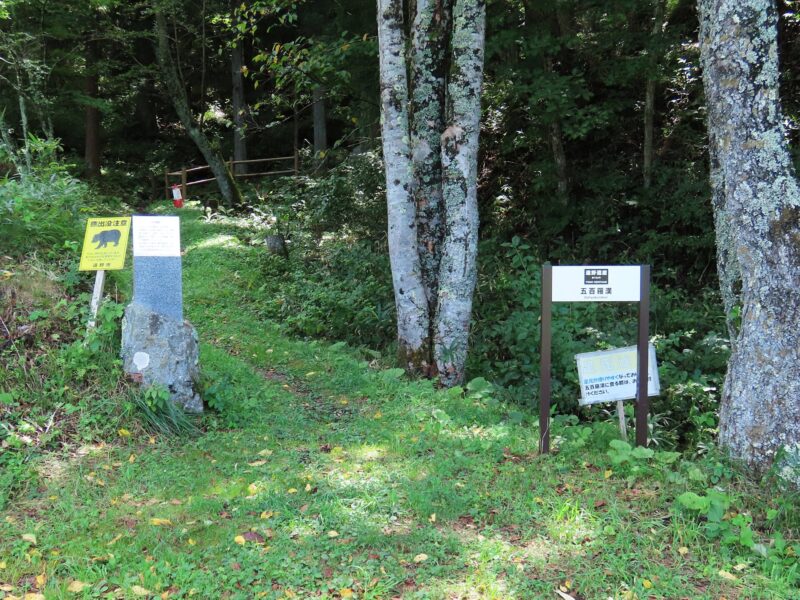
Although it is now known as a tourist spot in Tono City, its history is deeply rooted in the wishes of the people of Tono at that time to commemorate those who died in a severe famine
The Five Hundred Arhats without temples: What is their purpose?
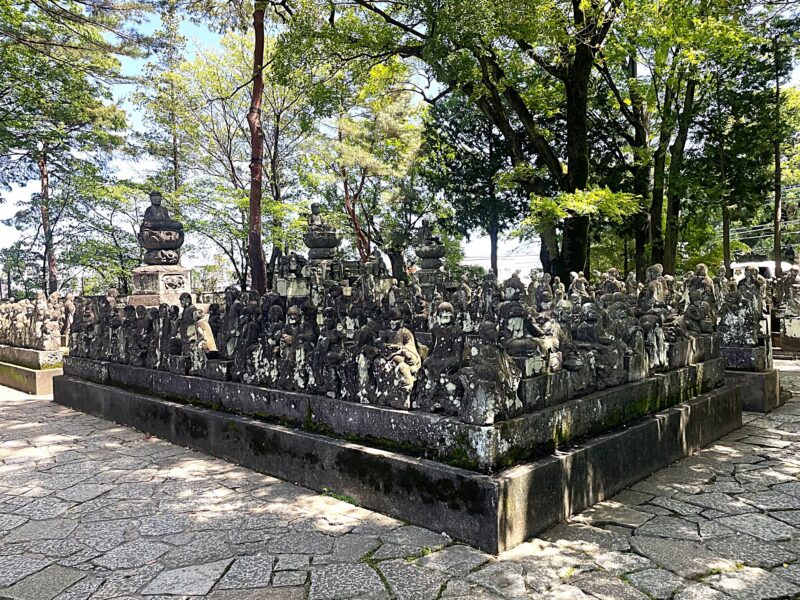
Generally, the 500 Arhats are erected within the grounds of temples. They are often enshrined inside the main hall or a dedicated hall called the Arhat Hall, or in some places, numerous Arhat statues are lined up along the approach to the temple or along stone steps, allowing visitors to view them one by one as they pray
On the other hand, the Five Hundred Arhats of Tono City are not located within temple grounds, but are erected on natural rocks in an unassuming mountainous area, and this unique sight has been designated as a "Tono Heritage Site (certification number 162) ."
Tono Heritage List
The creation of the Five Hundred Arhats in Tono City is believed to be largely related to the "Hōreki Famine."
The Hōreki famine was a famine that occurred during the Edo period, mainly affecting Tohoku and northern Kanto from 1755 to the following year. It caused immense damage to people's lives and is said to have contributed to the decline of the Tohoku and northern Kanto regions in the late Edo period
In the Tono domain, 2,500 people died of starvation, 494 went missing, and 2,000 horses were killed. It is believed that poor harvests continued for some time afterward
To commemorate the many victims of these repeated crop failures, in 1765, the 19th headpriest of Daiji Temple, Gizan, carved Arhat statues into 500 natural stones of various sizes, which are now known as the Five Hundred Arhats of Tono.
Since Arhat (Rakan) refers to a Buddhist figure who has attained enlightenment, it is believed that statues of Arhat were chosen as symbols of compassion and salvation to mourn the victims of famine and pray for their peace in the afterlife
Unique landscapes carved into natural rock
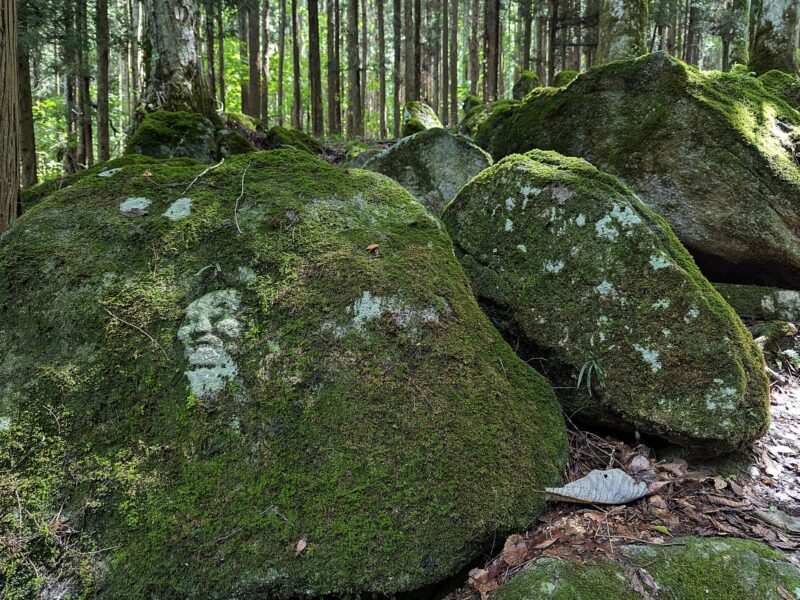
As mentioned above, while most of the 500 Arhats throughout Japan are located within temple grounds, a major characteristic of the 500 Arhats in Tono is that they utilize the natural rocks themselves in the rocky areas of the mountains
In addition, the same Ayaori region also"Tsuzukiishi,", offering a glimpse into the relationship between nature worship and Buddhism in the Tono region.

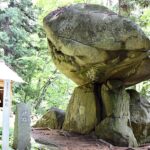
Four Arhat statues to enjoy through their expressions
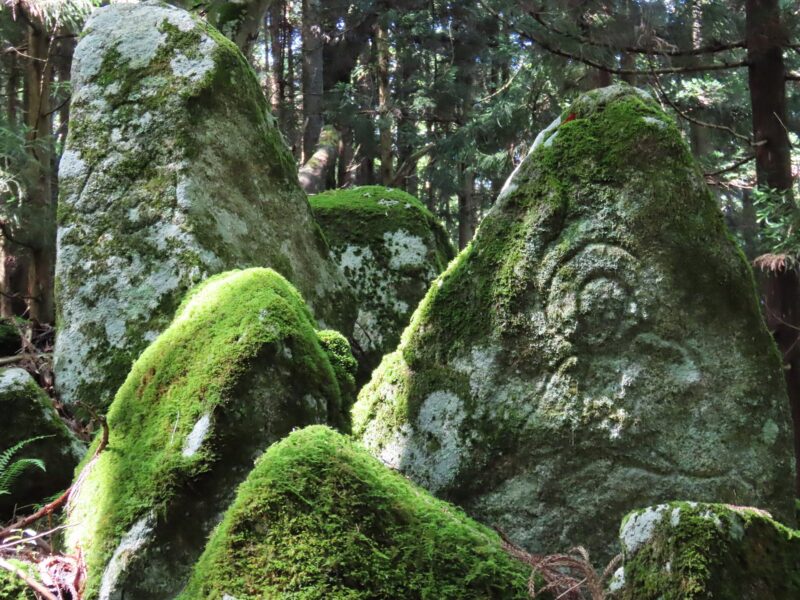
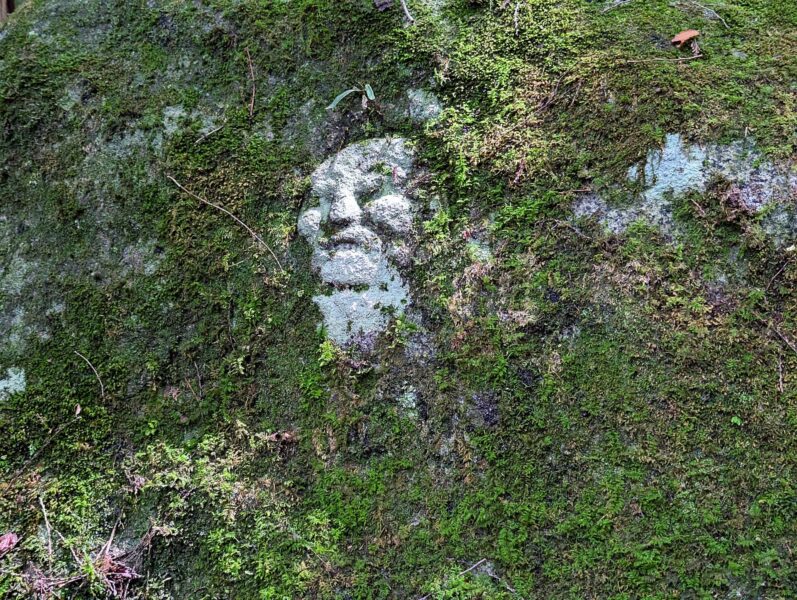
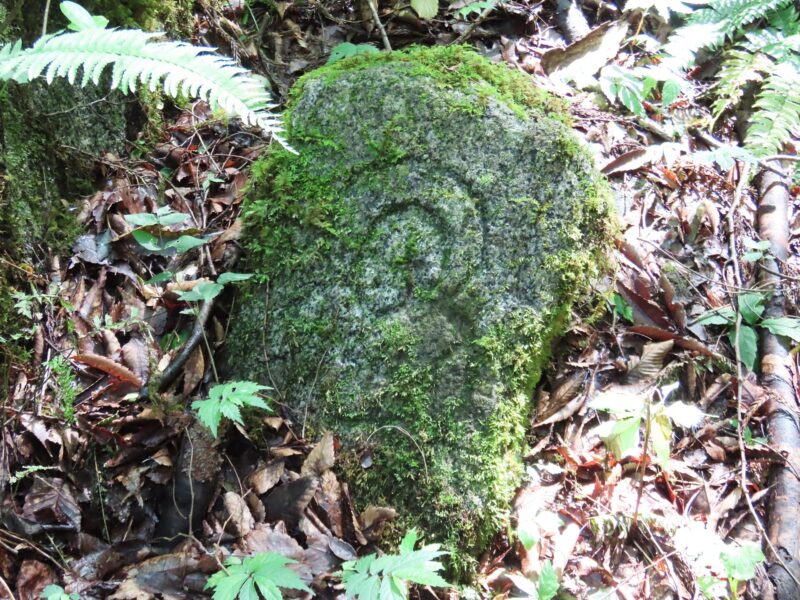
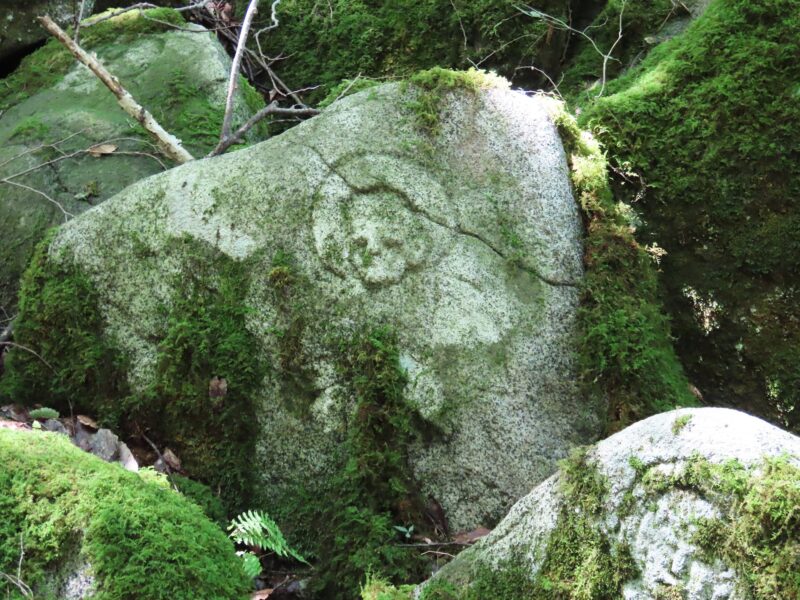
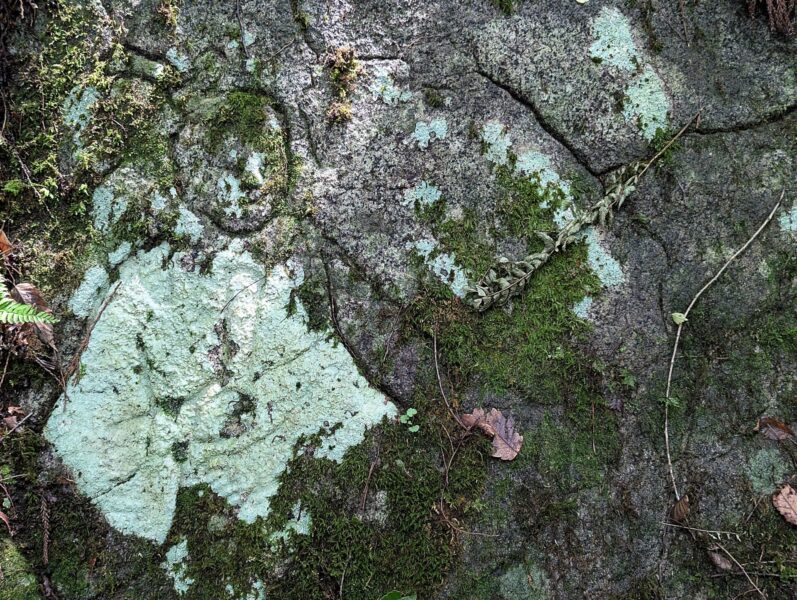
The Five Hundred Arhats of Tono, integrated with the natural rock formations, possess an undeniable charm: the distinct expressions on each and every statue
Of course, there are no records from the time of their creation that describe "what emotions the statues were meant to express." However, when you actually walk around the site, you get different impressions from each statue: some look serene, some have stern expressions, and some seem lost in thought
The Five Hundred Arhats represent "enlightened ascetics," but there's something human about the Arhats in Tono
As you gaze upon each of them in the quiet rocky area, it's as if you can feel the prayers and memorial services that took place there through their expressions
Here, I'd like to introduce some of the "Arhat statues with striking expressions" that I found on site
At the very top, there is a cave with a donation box placed inside
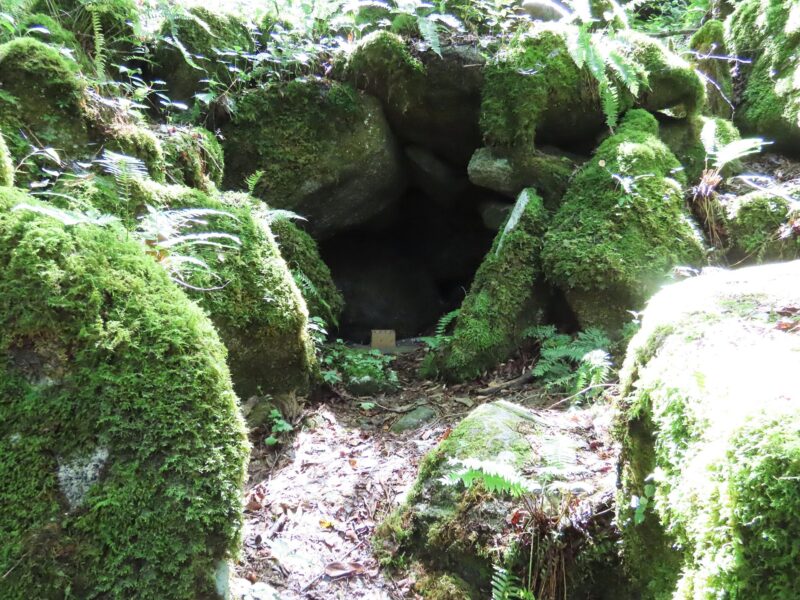
As you climb the rocky slopes of the mountainside where the 500 Arhats stand in a multitude of places, you will reach a cave near the top that is large enough for a person to enter, and inside there is an offering box
While no official documents detailing the history of this place have been found, the fact that people still come here to offer prayers suggests that it is cherished as a place of worship
This could be considered one of the quintessential scenes of Tono, where the natural rock formations themselves are used as a memorial space
500 Arhats<Information>
- Name: Five Hundred Arhats
- Location: 31 Shinri, Ayaori-cho, Tono City, Iwate Prefecture
- Access: Approximately 15 minutes by car from JR Tono Station
- Parking: Available (free)
- Admission fee: Free (as of 2025)
- Official URL:Tono Time (Five Hundred Arhats)
Google Map

I'm a member of the Neft editorial team. I love alcohol, music, and travel, and on weekdays I indulge in drinks after work, and on weekends I travel to nearby places whenever I have free time.
My goal is to one day travel abroad to explore connections with Tohoku for a Neft feature! I work hard every day towards that goal.
Please support NEFT's article creation!
NEFT gathers and publishes articles about the history, culture, and tourism information of various regions in Tohoku
If you enjoyed this article, we would be grateful if you would consider supporting our future interviews, article creation, and website management
*Clicking "Tip" will open the tip sending screen for the external service "codoc"
Other articles

[JR East Pass Trip: Day 3] Recharge at home and take a day trip...

Sake, miso, wasabi flavors... soft serve ice cream available at roadside stations in central Iwate Prefecture...

Starting in 2026, Yokote Kamakura will be held on the second Friday of February...

[Yamagata Prefecture] Recommended for summer! 5 popular shaved ice shops in Yamagata Prefecture!

Enjoying it while feeling the sea breeze... Soft serve ice cream at a roadside station in the northern part of the Sanriku coast...

[Fukushima Prefecture] 12 recommended beaches in Fukushima Prefecture! Including ocean beaches...

[Akita Prefecture] Kosaka Town: A town that takes you back to the Meiji era...

Boasting Ekiben from the 6 Tohoku Prefectures! Top 5 Recommended Ekiben in Miyagi Prefecture...

Ranked the second best travel destination in the world by the New York Times...

[Akiu Town, Miyagi Prefecture] The hottest gourmet food in Akiu Onsen! Akiu Bread...

From 1 to 9, "Place names with 'to' in them" [Shichinohe Edition] As a horse breeding area...
