


What is Akita's specialty "Bodakko"? We'll explain why it's salty and show you how to recreate it at home

Akita specialty"bodakko".
Many people may have heard the name, but surprisingly, they might not know what kind of food it is. When you actually try it, you'll be surprised by how salty it is, but strangely, it's an addictive taste
This article covers everything from the true nature of bodakko, why it's salty, how to eat it, and even simple ways to recreate it. It's a dish that gives you a taste of Tohoku's food culture, so if you're curious, be sure to check it out!
What is Bodakko? A look into this popular preserved food from Akita
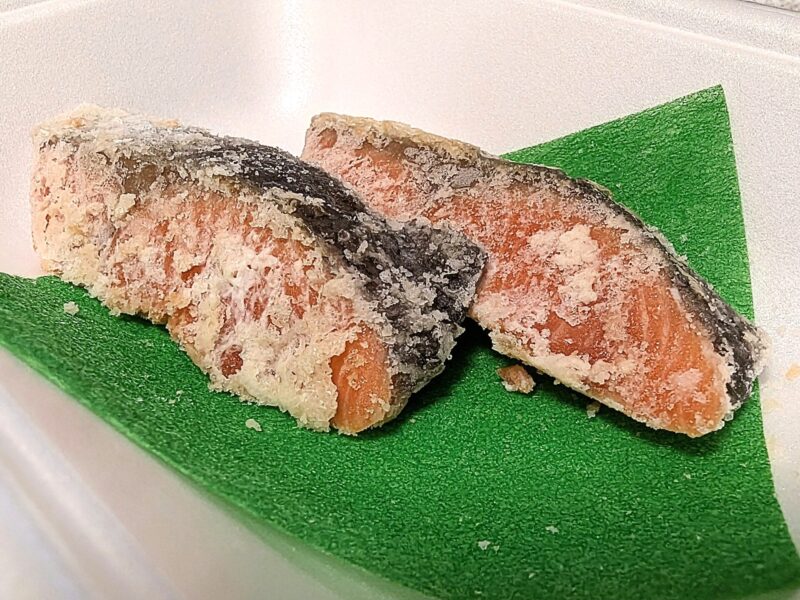
"Bodakko" has recently become a hot topic on social media. Even though I'm from Aomori, I'd never heard of it before, and at first, I couldn't imagine what kind of food it was
Bodakko is a general term for salted salmon

In Akita, "bodakko" basicallysalted salmon. There are no strict rules regarding the type of salmon used or the salt concentration; it seems to be a general term for salted salmon.

However, the type of salted salmon that becomes popular as "bodakko" is considerably saltier than typical salted salmon. It's characterized by its saltiness, so much so that just a little bit is enough to make you want to eat more rice
When grilled, salt may rise to the surface, giving it a slightly different appearance from regular salted salmon
The origin of the name varies
There are several theories about the origin of the name "bodakko." The most well-known theory is that it is a corrupted form of "botankko," because the color of the salmon's flesh resembles that of a peony flower
On the other hand, I've also heard people say it's "so delicious it's like botamochi, it's so good it'll make your cheeks tingle." It's not the same as sweet botamochi, but the feeling of it having a slightly special taste might be similar
Another theory suggests that the name comes from the word "hota" (or "hoda"), which refers to twigs or pieces of wood. It's also said that the skin of salmon that has been roasted and dried out resembled this "hota," hence the name "hotakko," which later evolved into "hotakko."
Why is it so salty? An explanation of why Bodakko is salty

The first time you try bodakko, you'll be surprised by how salty it is, but there's a good reason for that. It's not just because it's salty; it's also related to the local lifestyle and environment
To improve shelf life
The main reason isfor preservation.
In the days before refrigerators, fish had to be preserved by salting it thoroughly. The high salt content prevented spoilage, allowing it to be eaten for longer. Since salmon was readily available in large quantities, this preservation method naturally became widespread
To raise body temperature
The Tohoku region has traditionally had a food culture that favors salty flavors, and it is said that people from Kanto northward tend to prefer salty food
In regions with harsh winters, maintaining body temperature is crucial, and it's believed that a diet rich in salt has become established for this reason. Considering the length of winter, it makes sense that the food would naturally become more flavorful
Medium-spicy is preferred in most households
However, not everything is extremely salty
Salt levels vary from household to household, but"medium spicy,"is generally considered standard. While very salty versions are meant to be eaten in small quantities, a medium-spicy version is easy to incorporate into meals as a side dish.
How salty is it really? My honest opinion after trying it

I often hear that Bodakko is salty, but when I actually tried it, it was even saltier than I imagined. However, it's not just salty for the sake of being salty; there's a good reason behind the flavor
How salty is it? Differences in salt concentration and appearance
Compared to typical salted salmon, this one is considerably saltier. When grilled, salt crystals form on the surface, and the flesh is firm with little moisture. The first bite hits you with a strong saltiness, but the delicious flavor of the salmon remains throughout

Incidentally, when you grill fish, the oil and moisture from the flesh drip down, but after grilling the bodakko (fermented fish), this much salt was left behind. This alone shows just how salty bodakko is
A flavor that makes you want to eat more rice with just a little bit

I saw a bento box on social media with a huge pile of rice topped with a small piece of salmon. At first, I thought it was strange, but after trying Bodakko, I understood. The extra spicy version is so salty that just a little bit is enough to make you eat a whole bowl of rice
The container shown above holds about 1.5 cups of rice, but it feels like there isn't enough
Just licking the Bodakko made me want to eat more rice, so I felt like I didn't need any other side dishes
Of course, I couldn't finish it all... It's not something you eat on its own; the flavor is only complete when combined with rice. In fact, you can't eat it without a large amount of rice, and the saltiness makes you thirsty, so you'll want to drink something too
It's surprising to hear that connoisseurs in Akita drink sake with bodakko (a type of fermented rice cake)
Recommended ways to eat Bodakko

Bodakko, which is characterized by its saltiness, can be enjoyed in just the right way if you get creative with how you eat it
The classic way to enjoy it is with rice (a small amount is fine)
The classic way to enjoy it is with rice. Just a little bit is enough to give it the perfect saltiness. Be careful though, because you might find yourself eating too much rice before you know it!
Enjoy it with rice balls or ochazuke (rice with tea)

When used as a filling for rice balls, even a small amount provides a rich flavor. When added to ochazuke (rice with tea poured over it), the saltiness is mellowed, making it easy to eat
Used in cooking (fried rice, pasta, etc.)
If you find it too strong on its own, I recommend using it in cooking. Just a little bit added to fried rice or pasta will give it a great flavor and allow you to reduce the amount of other seasonings you use
Can you make it at home? An easy way to make Bodakko-style treats

While you might think of bodakko as something you buy, you can actually make something similar at home. The recipe is very simple. All you need is salmon and salt
Ingredients you'll need (just salmon and salt)
All you need is salmon and salt. Using fresh salmon makes it easier to adjust the amount of salt
Super easy! Basic recipe
Making bodakko is incredibly simple! Just generously salt a salmon fillet and let it rest in the refrigerator for a few days. As the moisture evaporates and the flesh firmes up, it will have that authentic look. The key is to salt it a little more heavily than you would normally salt salmon
Salty, but addictive, Akita flavor
Bodakko is a type of salted salmon characterized by its strong saltiness, a characteristic stemming from traditional preservation methods and the unique food culture of cold regions
It's a surprising taste at first, but it's just right when paired with rice. Please try "Bodakko," a dish full of Tohoku flavor, in your own home

A woman who loves drinking and grew up on the delicious food of Aomori. A web writer who loves cooking, alcohol, and manga
Please support NEFT's article creation!
NEFT gathers and publishes articles about the history, culture, and tourism information of various regions in Tohoku
If you enjoyed this article, we would be grateful if you would consider supporting our future interviews, article creation, and website management
*Clicking "Tip" will open the tip sending screen for the external service "codoc"
Other articles

Akita Prefecture is one of Japan's leading sake producing regions! 5 sakes you should buy when you visit

Daisen City Omagari Junior High School's "longest school song in Japan" performed at Ueno Park...

What is "Galaxy Gotto" designed by Leiji Matsumoto of Galaxy Express 999?.

Enjoy your evening drink with sasakamaboko! A simple recipe to enjoy sasakama to the fullest...

Sato Nishiki cherries have a 100-year history! Large cherries, frozen varieties, and more...

Aomori is a hidden horse meat producing region! Why did horse meat culture become so widespread?.

Mount Iwate is an active volcano! The base of the mountain is covered in black lava flow "Yakihashiri"...

Introducing the highlights of Oga Aquarium GAO! The much-talked-about polar bears...

If it's nearby, try it for ramen! The origin of "cold" ramen...

Shiogama's new symbol, "Datecha" completion announcement press conference...

Perfect for walking around town! 3 handy foods you can try in Miyagi!
