


[Part 2] The Pickling Culture of the Six Tohoku Prefectures to Survive the Harsh Winter | The History of Salt Production Areas and the Emergence of Pickles in Tohoku

Essential for pickles! Where is salt produced and obtained in the Tohoku region?
It is well known that in the Tohoku region, the technique of pickling vegetables, which are a source of nutrition, has become extremely well-developed as a way of life to survive the long and harsh winters
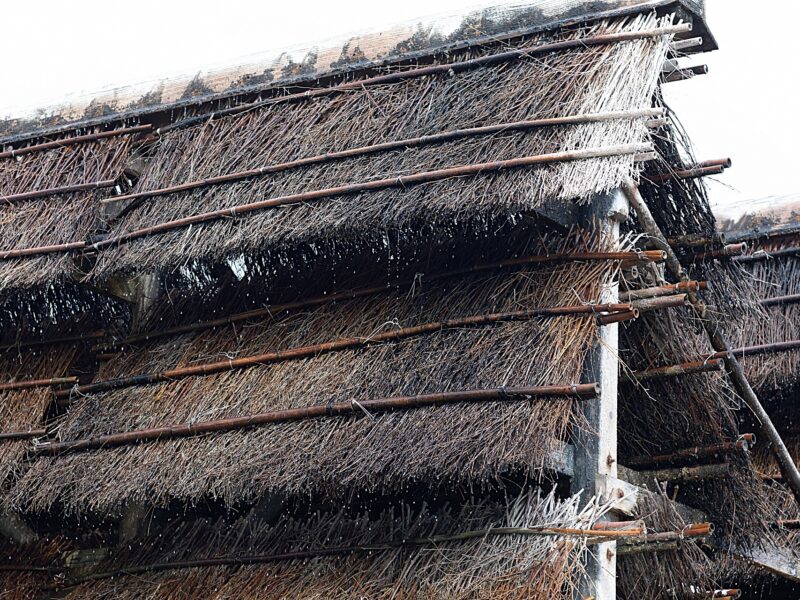
There are countless variations of pickles and preserved foods, but one of the essential ingredients is salt
The history of salting as a method for preserving food for extended periods is ancient, and archaeological surveys across Japan have revealed that organized salt production was already being carried out during the Jomon period
However, salt itself is a valuable commodity that requires considerable effort to produce, and even in modern Japan, it was a state monopoly for 92 years, from 1905 to 1997
Without specifying a particular time period, let's take a look at the origins and sources of salt, which are thought to have contributed to the development of pickles and preserved foods in various parts of the six prefectures of Tohoku
Salt from Aomori Prefecture
In Aomori Prefecture, salt-making pottery has been unearthed from Jomon period archaeological sites, indicating that salt production has been carried out there since ancient times

There are several methods for producing salt from seawater, but the coastal areas of Aomori Prefecture lack the shallow, sandy beaches suitable for salt fields. Therefore, the basic technique of extracting salt by directly heating seawater and evaporating it has been passed down through generations
This method required a large amount of firewood as fuel, and the abundant forest resources near the coastline were known as "shiogi" (salt wood), and direct boiling salt production was carried out there until modern times
Salt from Iwate Prefecture
Iwate Prefecture has historically been known as one of the leading salt-producing regions in the Tohoku area
Although there are few shallow sandy beaches suitable for salt fields, salt production was carried out along the Sanriku coast by directly boiling seawater using abundant forest resources as fuel, and the salt was then transported inland

Noda Village in Kunohe District, in particular, was famous as a salt-producing area, and from there, the "Salt Road" was formed, extending inland to other prefectures
Because transportation was carried out by oxen, the road was called "Noda Beko Road" after the local name for oxen, and it is said that the traveling salt merchants themselves were sometimes affectionately called "Noda Beko."
Salt from Akita Prefecture
In Akita Prefecture, there are few examples of active salt production; rather, it can be said that routes for obtaining salt from outside have developed
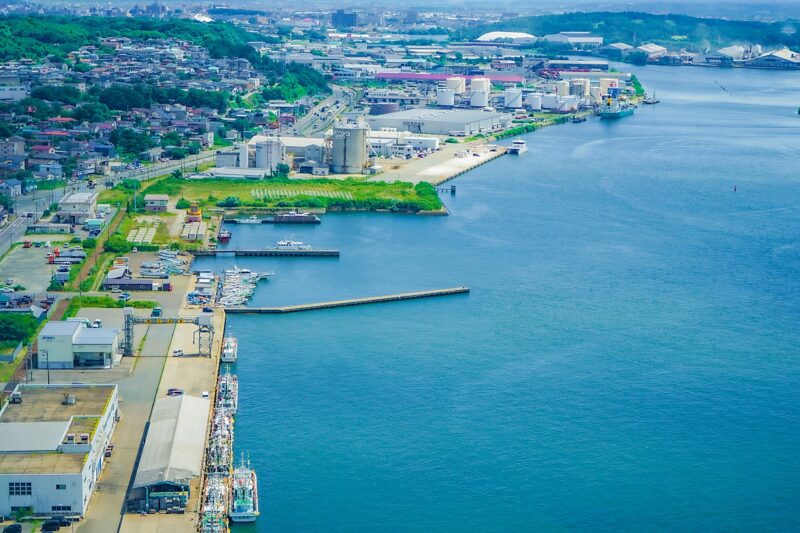
During the Edo period, the salt market in Japan was dominated by the 10 provinces bordering the Seto Inland Sea, and in the Meiji era, it came to be known as "Jisshu-en" (ten provinces salt)
In the early modern period and beyond, this salt was transported to Akita by sea, or, as mentioned in the previous section, the salt from Noda Village in Iwate Prefecture was brought to Akita via a route that crossed mountain passes
Salt from Miyagi Prefecture
Miyagi Prefecture has been known as a salt-producing region since ancient times, and one piece of evidence for this is the existence of a place called "Shiogama" (salt kiln)

During the Edo period, salt fields were developed and salt production as an industry was successfully established, but it is the Shiogama Shrine that preserves the ancient traditions
Here, there is a festival in which salt is made as a Shinto ritual, and a technique called "moshioyaki" (seaweed salt burning), which is mentioned in Manyoshu poems, is used
There are various theories about the exact technique used for making salt from seaweed, but a leading theory suggests that it involved repeatedly pouring seawater over a type of seaweed called Sargassum, allowing salt crystals to precipitate, dissolving these crystals in seawater, and then evaporating the resulting highly concentrated brine by boiling it directly
Salt from Yamagata Prefecture
Although Yamagata Prefecture faces the Sea of Japan, there are not many records of salt production using seawater
Instead, they devised an unusual method of salt production on land
One method involves boiling down plants such as the "Katsunoki" tree and the "Shihoji" tree to obtain salt
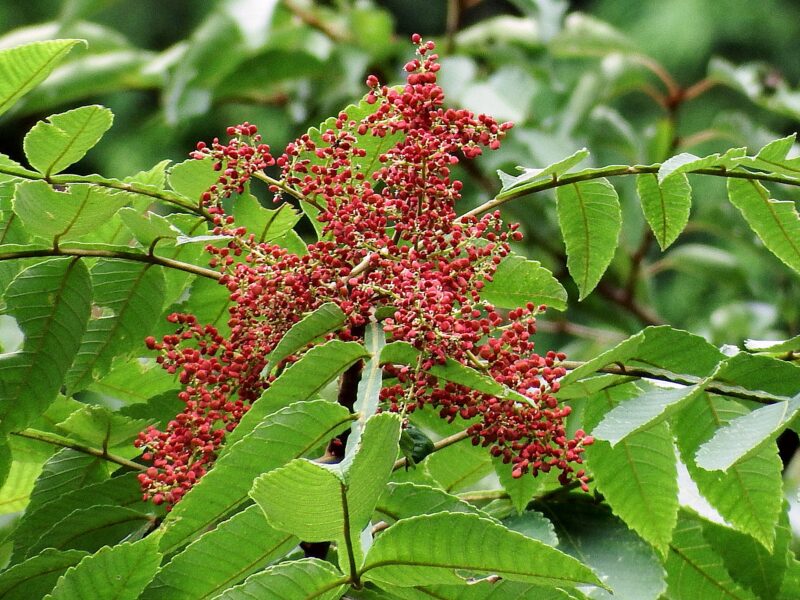
Some trees have salt-absorbing properties, and it's unclear which of the plants mentioned above fall into this category, but for example, the fruit of the sumac tree (Rhus javanica) has a white powder containing salt on it
Furthermore, various innovations were developed, such as methods for producing salt using the saline spring water of hot spring areas
However, salt produced using these methods was extremely expensive, reportedly costing about 20 times more than the Ako salt that was widely distributed during the Edo period
Salt from Fukushima Prefecture
Like Miyagi Prefecture, Fukushima Prefecture has long been a region where salt production thrives, but in the 17th century, it introduced the "irihama-style salt field" technology, which uses the ebb and flow of the tides to guide seawater in from Gyotoku in Chiba Prefecture

This allowed the Aizu domain to almost completely meet its salt demand with domestic production, although inexpensive salt from the Setouchi region was also brought in by sea
These salts were distributed inland, and the routes were developed into what became known as the salt roads
In the Aizu domain, specialized officials such as "Shiokata" (salt official) and "Shioba Bugyo" (salt field magistrate) were appointed to control the salt industry, and they acted in a manner similar to a monopoly corporation, cracking down on smuggling
The history of the emergence of pickles
As previously mentioned, artificial salt production was already being practiced during the Jomon period, and it is likely that the food preservation effects of salt were well known from experience
In that sense, pickles made with salt may have existed since prehistoric times, but when was the first confirmed record of them?
The answer lies in the 8th century, during the Tenpyo era of the Nara period, when a wooden tablet unearthed from an archaeological site contained a word meaning "pickles."
Even though it wasn't a region with heavy snowfall like the Tohoku region, it's easy to imagine that fresh vegetables were scarce in the winter around the ancient capital of Nara. It's likely that preserved foods, such as pickles, were essential supplies, and various methods were devised to cope with this

In that era, not only was salting done, but various other variations such as pickling in soy sauce (hishio) and pickling in sake lees already existed
A shrine dedicated to the god of pickles
Finally, although it's not located in the Tohoku region, let me conclude by introducing what is said to be the only shrine in Japan dedicated to pickles
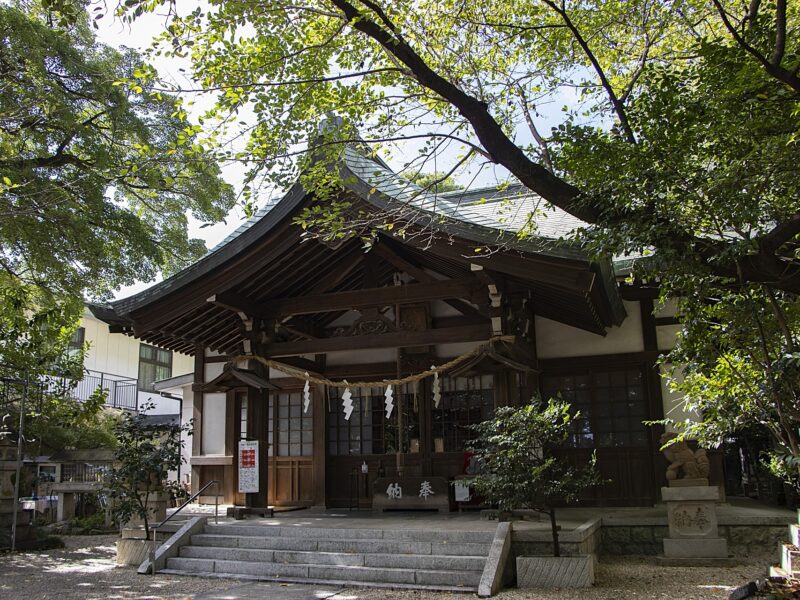
That is Kayazu Shrine in Ama City, Aichi Prefecture. The exact date of its founding is unknown, but it is said that Yamato Takeru, a hero from mythology, visited the shrine, suggesting that it is a shrine with a very long history
The enshrined deity is Kayano-hime, a goddess who presides over plants. According to legend, the origin of pickles dates back to when vegetables offered to the gods were placed together with salt in a jar, and they naturally became salted and preserved

Because of this, our company is known as the "Shrine of Pickles," and it is said that many pickle makers from all over the country come to pay their respects at the "Pickle Festival" held every year on August 21st
Conclusion
The Tohoku region faces a harsh season of being isolated by snow. Historically, methods of preserving food to survive the long and severe winters have developed there
Pickles are one of the most prominent examples, and they present a dazzling array of varieties, symbolizing the richness of Tohoku's food culture
Since there are many rare and exquisite items that are unusual for people from other regions, when you travel to Tohoku, be sure to pay attention to the pickles that make a statement even when served on small plates
Main reference sites
- Stories of Local Cuisine
- Dictionary of Japanese Food Terms
- Ministry of Agriculture, Forestry and Fisheries, "Illustrated Guide to Traditional Japanese Foods"
- Tokai Pickles: A Nationwide Exploration of Pickles
- Tsugaru Culinary Heritage
- Japan Food Newspaper: "Delicious! Local Vegetables (37) Iwate Prefecture Field Report: Discovering Interesting Vegetables - 'Basho-na'"
- Exploring Miyagi's Seasonal Delicacies: "Sendai Cabbage, a Traditional Vegetable Revived After the Earthquake"
- Salt Industry Center, Public Interest Incorporated Foundation: Salt Chronicles

- Author of the original text for Seibido Publishing's "Illustrated Dictionary of the Heian Period: A Visual Guide to Enjoying Life. " - Honorable Mention for "The Land of Star Readings" at the 3rd Misato Western Treasury Literary Awards. - Honorable Mention for "Io-san's Bride's Meals" at Everystar's "Delicious Time" competition. - "Swordsman's Communications" at the 9th Historical and Period Novel Grand Prizes, "Exhilarating! Entertainment Swordsman Award" (book publication project in progress). - 5th Dan in Iaido, 4th Dan in Jodo.
Please support NEFT's article creation!
NEFT gathers and publishes articles about the history, culture, and tourism information of various regions in Tohoku
If you enjoyed this article, we would be grateful if you would consider supporting our future interviews, article creation, and website management
*Clicking "Tip" will open the tip sending screen for the external service "codoc"
Other articles

[Miyagi Prefecture] Choose from hidden hot springs, famous hot springs, and unique spring qualities in Miyagi Prefecture...

What is Apple Vermont Soy Sauce? It's a sauce, a dressing, and... green...

Shiogama's new symbol, "Datecha" completion announcement press conference...

What makes Aomori clams different? Here are some ways to enjoy them other than in miso soup

[Recommended Autumn Festivals: Fukushima] Autumn in Fukushima is a time for warrior parades and...

What is Hatahata sushi? Everything from when it's best to how to make it...

[Around Koriyama City, Fukushima Prefecture] The delicious season for beer has arrived!.

The perfect souvenir! What is "Sendai Naganasu Pickle"? Where to buy it...

[Minamiaizu, Fukushima Prefecture] Enjoy Takato Soba in Ouchijuku!

"Curry in Morioka!" (Part 1) Long-established and new restaurants loved by locals...

The Namahage Museum and Oga...
